Home Blog Page 16

Scandal! to Bid Farewell After More Than 20 Years on e.tv

The curtain is coming down on one of South Africa’s most beloved soap operas. e.tv has announced that Scandal!, the SAFTA award-winning daily drama, will conclude its broadcast in June 2026, bringing to a close over two decades of storytelling that has captivated millions of viewers.


The channel said the decision was guided by shifts in the television landscape and the need to regularly review programming and scheduling. “We believe that Scandal! has reached the end of its life cycle,” e.tv said in a statement.

Since premiering in 2005, Scandal! became a staple in South African homes, setting new benchmarks in local television with gripping storylines, unforgettable characters, and performances that mirrored the complexities of everyday life.

Its impact stretched beyond entertainment, sparking conversations and reflecting social realities in powerful ways.

Ochre Moving Pictures, the production company behind the show, expressed gratitude for the opportunity to tell authentic South African stories.

Stan Joseph, Executive Producer at Ochre Moving Pictures, described the experience as “an incredible journey and a true labour of love.”

“Over twenty years, our writers, directors, actors, and crew have poured their hearts into bringing authentic South African stories to life. We are deeply grateful to e.tv for their trust and to our audiences for their unwavering support. While it is bittersweet to say goodbye, we are proud of the legacy of Scandal! leaves behind,” Joseph said.

e.tv also extended thanks to the cast, crew, and millions of loyal fans who welcomed the show into their homes. The soap will continue to air until the end of June 2026, with producers promising a memorable finale.

As one of the longest-running and most successful local soap operas in South African television history, Scandal! will bow out with a legacy of storytelling that shaped the industry and left a lasting imprint on audiences.

Shoko Festival’s Hub Unconference Puts Spotlight on African Digital Independence

Shoko Festival’s recently concluded Hub Unconference brought together experts, students, and creatives in technology, media, and journalism to tackle the theme “Decolonising the Internet.”


Festival founder and director Cde Fatso said this year’s discussions were central to the festival’s mission of shaping Zimbabwe’s urban culture.

“We are celebrating 15 years of growing the urban culture in Zimbabwe. What has been super interesting with the Hub Unconference is the theme this year ‘Decolonise the Internet.’ We have been talking about how can we create our own online spaces as Africans,” he said.

The Unconference featured a keynote address by media analyst Takura Zhangazha, who examined the issue of artificial intelligence and its dependence on Western-owned platforms.

His contribution resonated with attendees, sparking debate on how Africans can build their own digital systems rather than relying entirely on existing global models.

“So yesterday’s keynote speech by Takura Zhangazha about decolonising artificial intelligence was very interesting about how we are using all of these western platforms and how we need to create our own,” Cde Fatso said.

Participants also engaged in panel discussions and interactive sessions exploring content ownership, digital policy, and opportunities for collaboration in developing African-led online spaces.

Many emphasized the importance of reclaiming narratives and creating platforms that reflect the realities and identities of local communities.

The Hub Unconference has grown into one of the most influential aspects of Shoko Festival, often sparking national conversations on technology, media, and freedom of expression.

This year’s focus linked cultural celebration with a wider call for digital independence.

DJ Neptune’s Greatness IV: A Celebration of Culture, Identity, and the Global Sound of Africa

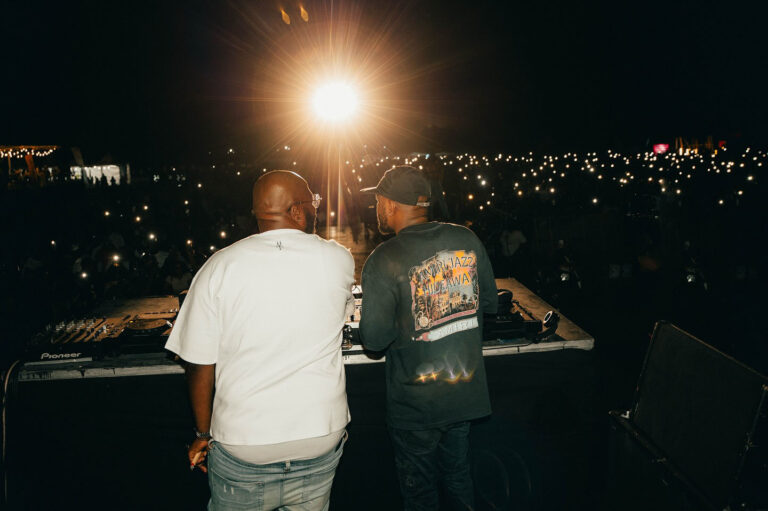
From the opening notes to the final beat, DJ Neptune’s newly released project Greatness IV carries the heartbeat of culture.


It reflects the daily lives, the struggles, the celebrations, and the aspirations of millions. It is deeply rooted in African identity yet crafted with a global audience in mind.

Neptune does not just present music; he presents culture, and he does so with authenticity, care, and vision.

Every track on Greatness IV reflects a different face of culture. “Jeje Laye” with Portable is raw, unfiltered street energy, a true anthem that carries the pulse of the streets of Lagos into the wider world.

“Katampe” with Rybeena captures humor, charm, and the unique storytelling tradition of African music. “Street” with Gbolar Mighty is a motivational gem rooted in the realities of everyday struggle, turning pain into power.

And “Good Mood Good Vibe” with Kikimoteleba embodies the global reach of African culture, blending French influences with African rhythms to create something universal.

What makes Neptune’s curation so remarkable is how it balances authenticity with accessibility. He doesn’t water down culture to make it palatable for outsiders.

Instead, he presents it in its truest form, trusting that authenticity is what makes it powerful. Whether it is the Yoruba-inspired spirituality of “Amin” or the unapologetic street pride of “Taliban,” Neptune ensures that listeners experience African culture as it is lived, not as it is imagined by others.

For decades, African music was sidelined, often seen as “alternative” or “niche.” Neptune has been part of the generation that changed that narrative.

By consistently producing projects that feature both street voices and global collaborations, he has shown that African music is not a category, it is a force. With Greatness IV, he continues that work, representing African identity proudly and unapologetically.

Representation here is not just about beats; it is about storytelling. Neptune provides a platform where diverse African voices can be heard. From the rising talents to established names, everyone has space.

This inclusivity reflects the culture itself, dynamic, diverse, and constantly evolving. In Greatness IV, listeners hear the voices of different regions, different experiences, and different emotions, all woven together into one tapestry.

Ultimately, Greatness IV is about legacy. Neptune understands that greatness is not measured only by awards or charts. It is measured by impact by how deeply one’s work represents and uplifts culture.

With this project, Neptune’s legacy grows not just as a DJ or producer but as a cultural ambassador. He is showing future generations that music is not just sound; it is identity, history, and future all at once.

The cultural legacy of Greatness IV will be felt in how it inspires young artists to tell their own stories authentically. It will be felt in how it shifts perceptions of African music globally.

Colourful trio of mascots unveiled for first FIFA World Cup co-hosted by three nations

In a celebration as bold and boundary-breaking as the tournament itself, FIFA have unveiled the three Official FIFA World Cup 26™ Mascots, each highlighting one of the host nations of the world’s greatest sporting event.


Maple™ the Moose (Canada), Zayu™ the Jaguar (Mexico) and Clutch™ the Bald Eagle (United States) have been thoughtfully developed to reflect the vibrant culture, heritage and spirit of their respective countries, coming together to symbolise unity, diversity and the shared passion for the beautiful game.

“The 26 team has just got bigger – and more fun! Maple, Zayu and Clutch are full of joy, energy and the spirit of togetherness, just like the FIFA World Cup itself,” said FIFA President Gianni Infantino.

“The three mascots are central to the incredible, entertaining atmosphere we’re creating for this game-changing tournament.

“They’ll win hearts and spark celebrations across North America and around the world. I can already picture them on children’s shirts, high-fiving football legends and – in another first for this tournament – starring in video games played by millions worldwide.”

Maple, Zayu and Clutch will be everywhere – welcoming the world, inspiring young fans and cheering on the action during the tournament, which will take place from 11 June to 19 July and feature 48 teams for the first time.

In addition, fans will be able to purchase mascot shirts and other merchandise at FIFAStore.com.

Introducing the Official FIFA World Cup 26 Mascots

Maple the Moose was born to roam, journeying across all of Canada’s provinces and territories while connecting with people and embracing the country’s rich culture.

A street style-loving artist, music enthusiast and dedicated goalkeeper, Maple found purpose through creativity, resilience and unapologetic individuality.

With a knack for making legendary saves and a heart full of strength and leadership, Maple combines endless stories and unstoppable flair.

Zayu the Jaguar, from the jungles of southern Mexico, embodies the rich heritage and vibrant spirit of the country.

With a name inspired by unity, strength and joy, Zayu transforms on the pitch as a striker, showcasing exceptional ingenuity and agility that intimidates defenders.

Off the pitch, Zayu embraces Mexican culture through dance, food and tradition, uniting people across borders with passion.

More than an athlete, Zayu is a symbol of cultural celebration and connection, carrying the heart of Mexico with pride.

Clutch the Bald Eagle possesses an unquenchable thirst for adventure, soaring across the United States and embracing every culture, game and moment with boundless curiosity and optimism.

Fearless on the pitch and uplifting off it, Clutch leads by action — rallying teammates, lifting spirits and turning every challenge into an opportunity to rise higher.

A social spark and sports fanatic, Clutch, like all great midfielders, unites people wherever they go, proving that true flight is about purpose, passion and play.

Review: Grace Choir Breathes New Life Into “Ndinoshamiswa Kwazvo”

Few hymns hold as much weight in Zimbabwe’s Christian tradition as “Ndinoshamiswa Kwazvo.”


For decades, it has carried worshippers through moments of praise, reflection and hope.

Grace Choir’s newly released rendition, performed and recorded at the Grace Centre, shows how a familiar song can be reimagined without losing its timeless essence.

Led by the rich, commanding voice of Elizabeth Chingaona, the choir’s version strikes a balance between reverence and renewal.

Chingaona’s delivery is both powerful and tender, drawing listeners into the depth of the hymn’s message.

Her voice anchors the performance, allowing the choir’s harmonies to rise around her in a way that feels both grounded and uplifting.

What makes this interpretation stand out is its arrangement. The choir embraces traditional choral layering while weaving in subtle modern flourishes that give the hymn fresh energy.

Rather than altering the song beyond recognition, Grace Choir highlights its enduring power, reminding audiences why it has resonated across generations.

This sensitivity to the hymn’s original spirit while adding a creative touch is what makes their rendition memorable.

Beyond the music itself, the recording underscores the importance of preserving hymns that form part of Zimbabwe’s spiritual and cultural fabric.

Songs like “Ndinoshamiswa Kwazvo” are living testimonies that connect the past to the present.

By revisiting and recording these works, groups like Grace Choir ensure they remain alive for future generations of worshippers.

Watch and Listen to Grace Choir’s Ndinoshamiswa Kwazvo

Kwasaa Launches as Zimbabwe’s New Homegrown E-Hailing Solution

Zimbabwe’s fast-growing e-hailing sector has a new contender, with Kwasaa positioning itself as a homegrown solution built to meet the unique demands of local commuters.


Kwasaa is a Bantu word that carries different meanings across languages. In Shona, it means “hustle” or “movement,” while in Swahili it translates to “on time.”

It has entered an industry currently dominated by international giants such as InDrive and Bolt, who hold the majority of the local market share.

Kwasaa is more than an e-hailing service. The app also offers car hire, where users can book a chauffeur driven vehicle for a minimum of six hours. Plans are underway to expand this service to allow clients to drive the hired vehicles themselves.

The car hire service comes in two categories: Kwasaa Base and Kwasaa Lux Rental. The latter includes bigger vehicles such as twin cabs and vans.

Zimbuzz caught up with Regional Director, Mr. Winston, who said:

“We have launched, and the Kwasaa application is now available on Google Play Store and Apple App Store. Both riders and drivers can sign up, especially those in Bulawayo and Harare where we are live.

The beauty of Kwasaa is that we offer a seamless, safe, and affordable travel experience when you book with us. We also bring convenience with multiple payment options, including EcoCash, cash, and debit/credit cards. What sets us apart is that we are not just a ride-hailing service, we are a mobility solution built for Zimbabwean realities.”

For drivers, Kwasaa promises to be driver centric, prioritizing their welfare by offering better rates, more earnings, and rewards.

As part of the launch, the first drivers to sign up will not pay any commission on rides until 31 January 2026.

For customer care, contact: info@kwasaa.com

Kwasaa is poised to shake up Zimbabwe’s e-hailing and car hire sector.

Zimbabwe’s Prosecutor General Calls for Stronger Justice System to Combat Drug Abuse

Zimbabwe’s criminal justice system is intensifying efforts to combat the rising tide of drug and substance abuse, with the establishment of specialized Anti-Drug and Substance Abuse Courts at the center of the response.


Speaking at a training workshop in Harare, Prosecutor General Hon. Loyce Matanda-Moyo, in remarks delivered by Deputy Prosecutor General Nelson Mutsonziwa, underscored the urgency of the crisis.

Citing government statistics and global trends, she warned that drug abuse, particularly among Zimbabwe’s youth, is “a threat to the nation’s health, security, economy, and social stability.”

The training comes on the back of the Zimbabwe Multi-Sectoral Drug and Substance Abuse Plan (2024–2030), a national strategy approved by Cabinet last year to coordinate interventions across law enforcement, the judiciary, correctional services, health, and community stakeholders.

Matanda-Moyo acknowledged mounting public concern about sentencing outcomes, referencing a recent case where nine foreign nationals convicted of cocaine-related offences were fined US$150 each and deported — a ruling that sparked widespread criticism.

“Where outcomes produce perceptions of inconsistency or leniency, we must ask ourselves whether our laws, policies, training, and practices are aligned with the delivery of equitable justice,” she said.

While defending judicial independence, she emphasized the need for fairness, transparency, and sentences that act as genuine deterrents.

The Prosecutor General outlined a dual strategy for the new courts: a zero-tolerance stance for suppliers and traffickers, coupled with rehabilitative justice for users, especially young people.

“Drug and substance abuse affects not just the user, but the entire family unit. We must be tough on crime but smarter in how we deliver justice,” she said.

The specialized courts are expected to handle cases swiftly, ensuring procedural fairness while reducing public frustration over delays.

Prosecutors were urged to submit “well-researched and compelling” sentencing recommendations to ensure penalties reflect the gravity of offences.

The National Prosecuting Authority pledged to:

  • Deploy experienced prosecutors to the Anti-Drug Courts,
  • Train all criminal justice stakeholders,
  • Support community education campaigns, and
  • Apply the law firmly, fairly, and consistently.

“This workshop is not a forum for blame but for building a cohesive framework to confront a grave challenge,” Matanda-Moyo noted. “Together, we can build a drug-free Zimbabwe a nation that protects its youth, upholds justice, and secures its future.”

Shoko Festival 2025 Marks 15 Years with International Acts and Bold Collaborations

Shoko Festival, Zimbabwe’s longest-running festival of urban culture, opens today for its landmark 15th edition under the theme “The Legacy XV.”


Running until September 26, the four-day event blends comedy, music, and groundbreaking collaborations, closing with the free Peace in the Hood concert in Chitungwiza.

The festival begins with The Hub UnConference (Sept 24–25) at Harare Gardens, themed “Decolonize the Internet.”

Comedy Night follows on September 25, headlined by King Kandoro alongside Kenya’s Justine Wanda and local comics Mike Chipere, Munya, and Mbongeni Ignatius Ndlovu, with DJ Iroq on decks.

International stars highlight the Mash Up Night on September 26. South African rapper Reason, also known as Sizwe Alakine, promises a high-energy Hip Hop vs. Amapiano sound clash.

UK rapper OneDa will showcase her sharp lyricism and collaborate with Zimbabwean rising talents Yadis and Enhle.

Local legends also take the stage, with producer Take Fizzo performing his biggest hits alongside urban grooves pioneers Mafriq, Trinity, MC Chita, Mau Mau, Tererai, and Nembo Bwoy.

Another highlight is the collaboration between Kenyan spoken word artist Mufasa and Arundel School’s Jazz Band, Choir, and Orchestra.

“The energy building around our 15-year anniversary edition is incredible,” said Shoko Festival Director Samm Farai Monro, aka Comrade Fatso.

“We can’t wait to unleash this powerful line-up of inspiring new artists and seasoned headliners. It’s what Shoko’s all about—creating alternative spaces for socially conscious acts, cutting-edge collaborations, and dope new music.”

Shoko continues its tradition of innovation with the Build The Peace project, developed with UK partners Arcadia and In Place of War.

The initiative features a mural co-designed by young Zimbabwean and UK artists, previously displayed at Glastonbury Festival.

The mural will now be showcased at the Peace in the Hood concert in Chitungwiza’s Unit L grounds on the festival’s closing day.

Tickets are available online at www.flippintickets.co.zw and at Harare Gardens.

Advance prices are $10 for Mash Up Night ($15 at the gate), $15 for Comedy Night ($20 at the gate), or $20 for a combo ticket. Peace in the Hood remains free to attend.

Shoko Festival, a project of Magamba Network, continues to champion free expression, alternative youth culture, and socially conscious creativity across Zimbabwe and beyond.

Global Music Industry Heads to Tshwane for ACCES 2025, Africa’s Leading Music Trade Event

This October, the global music industry will turn its attention to Tshwane as the city hosts the 2025 Music In Africa Conference for Collaborations, Exchange and Showcases (ACCES) from 30 October to 1 November.


It marks the first time Africa’s premier music trade event comes to Tshwane, bringing together over 1,000 delegates from more than 45 countries for three days of panel discussions, workshops, mentorship sessions, and live performances

ACCES 2025 will gather an impressive roster of industry heavyweights, from Grammy-winning producers to cultural entrepreneurs shaping Africa’s creative economy.

Among the confirmed speakers are Commissioner Gordon Williams, the multi-Grammy-winning U.S. producer known for his work with Lauryn Hill, Amy Winehouse, and Alicia Keys; Bizzle Osikoya of Nigeria’s The Plug;

Dolapo Amusat of WeTalkSound; Cécilia Pietrzko of France’s Grown Kid; and Kwame Safo of the British Council.

“The conference has become the meeting point for the world’s music industry and Africa’s creative heartbeat,” said Eddie Hatitye, Executive Director of the Music In Africa Foundation (MIAF).

“With Tshwane as our host city this year, we are creating a space where African voices can influence the global conversation, and where new opportunities for collaboration, trade and investment will be born.”

Beyond its high-level panels, ACCES will host a two-day showcase festival featuring more than 80 African artists.

The lineup includes some of the continent’s biggest names and rising stars such as Focalistic (South Africa), Mörda (South Africa), Zoë Modiga (South Africa), Mwendamberi (Zimbabwe), Mpho Sebina (Botswana), FimFim (Ghana), Frida Amani (Tanzania), and Oumy (Senegal).

The performances, spread across Tshwane, are designed to give artists exposure to talent scouts, festival curators, and investors, turning the city into a live marketplace for African music.

Key themes on the 2025 agenda include access to finance, developing festivals and export platforms, artist protection and copyright, and the impact of artificial intelligence on the creative industries.

These sessions are expected to generate actionable strategies for building sustainable careers in Africa’s fast-growing music economy.

ACCES 2025 is organized by the Music In Africa Foundation in partnership with the City of Tshwane, the South African National Conventions Bureau, and the SAMPRA Development Fund.

Rotating annually across African cities, the event has become the continent’s most significant platform for music professionals to exchange ideas and forge partnerships that extend well beyond Africa.

Zimbabwe Women brace for UAE challenge in Bulawayo

Zimbabwe Cricket has confirmed that the Zimbabwe Women’s team will host United Arab Emirates (UAE) Women for a white-ball series in Bulawayo starting next week.


The two sides will clash in four one-day internationals (ODIs) and two Twenty20 internationals (T20Is).

The UAE Women’s tour will get underway with a 50-over warm-up match against a Zimbabwe ‘A’ Women’s side at Bulawayo Athletic Club on Wednesday, 24 September.

The official series begins with the first ODI between Zimbabwe Women and UAE Women at Queens Sports Club on Friday, 26 September, before the other three ODIs take place at the same venue on 28 and 30 September and 2 October.

All ODIs will start at 0915 hours.

The teams will then switch to the shortest format for two T20Is scheduled for 5 and 6 October, also at Queens Sports Club, starting at 1330 hours.

The series comes on the back of Zimbabwe Women’s triumph at the ICC Women’s T20 World Cup Qualifier held in Namibia earlier this month, a victory that sealed their place at the ICC Women’s T20 World Cup Global Qualifier 2026 set for January-February in Nepal.

That tournament represents the final hurdle towards qualification for the ICC Women’s T20 World Cup 2026.

Beyond the T20 Global Qualifier, the UAE series forms a vital part of Zimbabwe Women’s build-up to their historic debut in the ICC Women’s Championship, where they will face New Zealand away in February-March 2026.

Zimbabwe Women were included in the prestigious ICC Women’s Championship for the first time following the tournament’s expansion from 10 to 11 teams in November 2024.

Now in its fourth edition, the Championship serves as the primary qualification pathway to the ICC Women’s Cricket World Cup 2029.

Zimbabwe Women’s Head Coach Walter Chawaguta underlined the importance of the UAE tour in their preparations.

“The UAE series is very important to us and it fits perfectly in our plans as we prepare for the Global Qualifier early next year,” he said.

“It gives us the momentum that we need as a team and, at the same time, it also gives us an opportunity to look at some of the players who have been out due to injury and are now making a comeback.

“The timing is also good because it allows us enough space after the series to regroup and address any issues that may have come up.

“UAE are a good side, with strong batters and bowlers, and they will challenge us as we get ready for the Qualifier.”